
The Master Yarn Stash Organization & Skein Care Guide
Transform your fiber chaos into a dream yarn studio. Expert techniques for organizing skeins by weight, protecting natural wool from pests, and winding center-pull cakes.

Pattern Specifications
Every fiber artist knows the euphoric feeling of bringing home luscious, hand-dyed skeins of yarn—and the quiet overwhelm when those skeins overflow baskets, spill out of closets, and turn your craft space into fiber confetti. A disorganized yarn stash isn’t just visually chaotic; it actively stifles your maker mojo. When you can’t find that matching dye lot or remember the yardage on a ball, project momentum stalls.
In this guide, we’ll walk through creating a mindful, functional yarn sanctuary. You will learn professional fiber categorization, safe moth-deterrent storage, and cake-winding techniques that protect the elasticity of your precious wool.
1. The Fiber Audit: Sorting Your Stash
Before shopping for storage cubes or pegboards, you need to conduct an honest inventory:
- Empty Every Basket: Gather every skein, cake, partial ball, and UFO (Unfinished Object) into one sunlit space.
- Sort by Fiber Family: Keep natural plant fibers (cotton, linen, bamboo) separate from animal proteins (merino, alpaca, silk, mohair). This simplifies moth prevention and washing care.
- Group by Yarn Weight: Use the standard Craft Yarn Council categories (Lace, Fingering, Sport, DK, Worsted, Bulky).
- Digitize Your Stash: Record your skein weights, colorways, and dye lots in a notebook or on Ravelry so you can check yardage while pattern hunting away from home.

2. Safe Storage Systems for Natural Fibers
Wool, alpaca, and silk are organic proteins that require protection from light, moisture, and textile moths:
The Golden Rules of Skein Preservation:
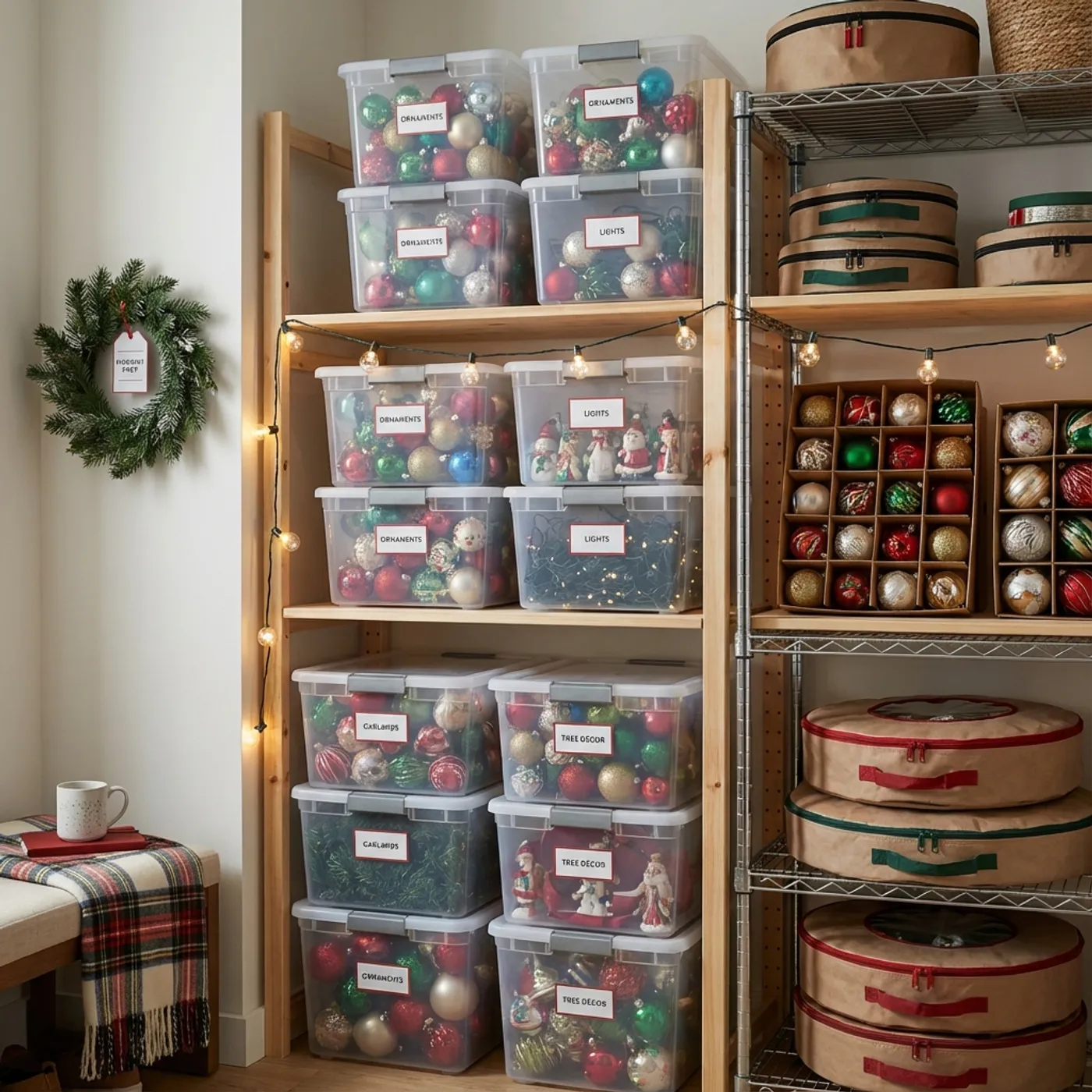
- Airtight Clear Totes: Gasketed polypropylene storage bins are the single most reliable barrier against clothing moths and carpet beetles.
- Natural Cedar & Lavender: Avoid chemical mothballs. Use aromatic red cedar blocks and dried lavender sachets to naturally deter pests. Refresh cedar annually with a light sanding.
- Keep Out of Direct Sunlight: UV rays bleach natural dyestuffs and degrade fiber elasticity over time. Store transparent bins away from south-facing windows.
- Never Store in Damp Basements: Humidity fosters mildew that permanently ruins animal fibers.

3. The Skein Winding Protocol
Should you wind all your yarn immediately upon purchase? No!
When to Keep in Hips/Hanks:
Keep yarn twisted in its original loose hank until you are within a few days of starting the project. Winding yarn into a tight cake puts constant tensile strain on the wool, which can sap its natural spring and bounce over months of waiting.
When to Cake Your Yarn:
- Use an umbrella swift and hand-crank ball winder for tangle-free center-pull cakes.
- Wind with gentle, steady tension. If the cake feels rock-hard, wind it a second time loosely.
- Always tuck the original paper ball band into the center hole of the cake so you never lose dye lot or yardage info.

4. Organizing Scrap & Leftover Yarn
Don’t let partial skeins turn into an unusable bird’s nest:
- Weigh and Label: Use a digital kitchen scale to weigh leftovers in grams. Calculate remaining yardage and write it on a card stock tag.
- The “Scrap Cake” Jar: Group matching weight scraps together in glass apothecary jars for high-visibility granny square or temperature blanket projects.
- Mini Skeins: Wind 10–20g remnants into petite yarn butterflies for amigurumi embroidery accents.

5. Hook, Notion, and Tool Management
Keep your hooks within easy reach:
- Hook Rolls: Fabric roll-up cases keep ergonomic hooks from scuffing and make travel effortless.
- Magnetic Tins: Perfect for holding locking stitch markers, yarn needles, and row counters.
- Measuring Tape & Gauge Rulers: Keep a dedicated swatch gauge ruler hanging from your storage shelf.

Studio Maintenance Checklist
- Inspect wool bins twice yearly for pest signs
- Sand cedar blocks annually to release fresh aromatic oils
- Catalog new yarn purchases immediately into digital log
- Tag all scraps with grams and fiber content before returning to bins
- Wind only what you plan to crochet this month
Frequently Asked Questions
How do I safely eliminate moths if they infest my yarn?
Seal the affected yarn in ziplock freezer bags and freeze at 0°F (-18°C) for at least 72 hours. Remove, let come to room temperature, and freeze again for another 72 hours to destroy any surviving eggs. Wash thoroughly with eucalyptus wool wash.
Why does my yarn cake collapse into a tangled mess when half used?
Center-pull cakes hollow out as you work. Use a flexible silicone “yarn bra” (or clean cut pantyhose sleeve) slipped over the cake to compress the walls gently as the yarn depletes.
How long can natural wool yarn remain in storage?
If protected from pests, moisture, and direct sunlight, quality wool yarn will remain in pristine, usable condition for decades.
Share your fiber studio setup with us on Instagram using #TheGoldenSkeinStudio and tag @TheGoldenSkein!